Conveyor Idler Life Extension and Field Maintenance Guidelines
2026-08-31 14:54:52
Conveyor Idler Life Extension and Field Maintenance Guidelines
Conveyor idlers operate continuously while carrying the belt and bulk materials. In mining and heavy-duty conveying systems, proper idler selection, installation, inspection, and preventive maintenance are essential for extending service life and reducing unexpected conveyor downtime.
Key Measures to Extend Idler Service Life
The first step is to select idlers according to belt width, belt speed, material load, impact conditions, and operating environment. Bearings, shafts, roller shells, and sealing systems should have sufficient capacity for the actual working conditions.
Effective sealing is particularly important in dusty, wet, or abrasive environments. High-quality multi-stage seals can help prevent dust and water from entering the bearing chamber and reduce premature bearing failure.
Correct installation is equally important. Idlers should be properly aligned and securely mounted, with the roller axis positioned correctly relative to the conveyor frame and belt centerline. Misalignment can increase belt resistance, vibration, and uneven wear.
Routine Field Inspection
Operators should establish a regular inspection schedule. During operation, check for abnormal noise, excessive vibration, overheating, poor rotation, shell deformation, corrosion, and unusual belt contact.
A roller that produces grinding or squealing sounds may indicate bearing or sealing problems. A roller with significantly higher temperature than surrounding idlers should also be investigated promptly.
Visual inspection should identify damaged shells, loose components, worn seals, bent shafts, and material accumulation around the roller.
Maintenance and Repair Procedures
Before performing maintenance, the conveyor should be stopped, isolated, and secured according to site safety procedures. Personnel should never attempt to inspect or replace an idler on a moving conveyor.
When an idler shows abnormal resistance, bearing damage, severe shell wear, or structural deformation, it should be replaced promptly. Damaged mounting brackets and fasteners should also be inspected to prevent repeated failures.
For replaceable components, using properly matched bearings, seals, shafts, and roller assemblies is important. Unauthorized modifications may affect load capacity and operating performance.
Belt Alignment and Loading Control
Uneven material loading can place excessive stress on individual idlers. Proper loading and transfer-point design help distribute material evenly across the belt.
Regularly checking belt tracking, idler alignment, and loading conditions can reduce side loading and uneven roller wear. Impact idlers or impact beds should be installed at high-impact loading points where necessary.
Preventive Replacement Strategy
Replacing components only after complete failure can increase the risk of belt damage and unplanned shutdowns. A preventive maintenance program should record idler operating time, failure frequency, inspection results, and replacement history.
For critical conveyor sections, condition-based replacement can be considered when abnormal temperature, noise, rotational resistance, or visible damage is detected.
Improving Long-Term Reliability
A successful idler life-extension program combines correct engineering selection, quality manufacturing, proper installation, routine inspection, timely replacement, and accurate maintenance records.
By systematically controlling these factors, conveyor operators can reduce premature idler failures, lower maintenance costs, protect the conveyor belt, and improve the overall reliability of bulk material handling systems.
References
CEMA, Belt Conveyors for Bulk Materials.
ISO 5048, Continuous Mechanical Handling Equipment — Belt Conveyors with Carrying and Return Idlers.
ISO 1537, Continuous Mechanical Handling Equipment — Belt Conveyors with Carrying Idlers.
DIN 22107, Continuous Conveyors — Idlers for Belt Conveyors — Dimensions.
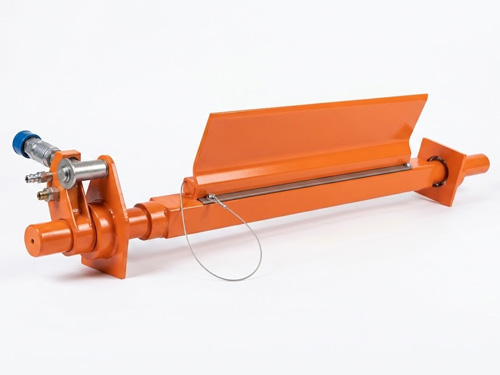
Heavy-Duty Primary Belt Cleaner Heavy-Duty Primary Belt Cleaners are robust conveyor belt c...
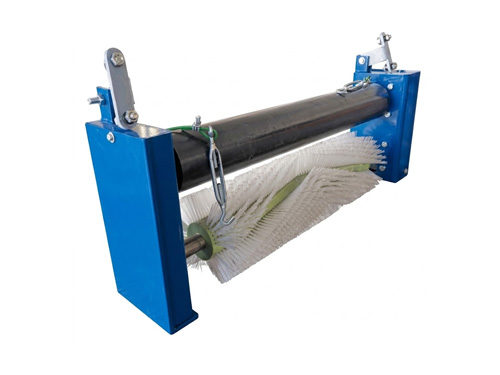
Self-Driven Rotary Brush Belt Cleaner Self-Driven Rotary Brush Belt Cleaners are specialize...
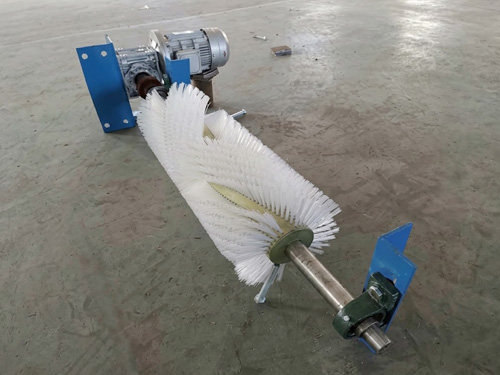
Brush Belt Cleaners in Various Models Brush Belt Cleaners are specialized conveyor belt cle...
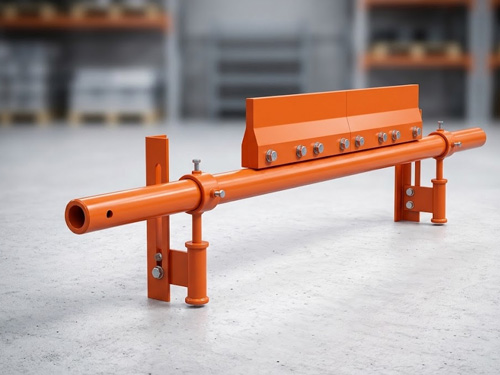
Secondary Conveyor Belt Cleaner Secondary Conveyor Belt Cleaners are designed to remove res...