Key Design Considerations for Complete Belt Conveyor Systems
2026-08-31 14:56:41
Key Design Considerations for Complete Belt Conveyor Systems
A complete belt conveyor is an integrated bulk material handling system consisting of the conveyor belt, drive unit, pulleys, idlers, supporting structure, tensioning device, loading and discharge equipment, and safety components. Proper system design is essential for achieving reliable conveying capacity, stable operation, long service life, and reasonable energy consumption.
Conveyor Capacity and Material Characteristics
The design process should begin by determining the required conveying capacity and material properties. Important factors include material density, particle size, moisture content, abrasiveness, temperature, and flow characteristics.
Belt width and belt speed should be selected according to the required capacity and material characteristics. Excessively high belt speed may increase dust, spillage, and component wear, while an unnecessarily wide belt can increase investment and operating costs.
Conveyor Layout and Inclination
The overall conveyor arrangement should consider horizontal distance, lifting height, inclination, transfer points, installation space, and maintenance access. Conveyor inclination must be compatible with the conveyed material and belt characteristics to prevent material rollback or spillage.
Long conveyors may require intermediate structures, multiple drive arrangements, or appropriate tensioning systems according to the calculated belt forces.
Belt, Idler, and Pulley Selection
The conveyor belt must have sufficient tensile strength, flexibility, abrasion resistance, and temperature resistance for the intended application.
Idler diameter and spacing should be selected according to belt width, belt speed, material load, and operating environment. Properly selected idlers help reduce belt sag and rolling resistance.
Drive and return pulleys should have suitable diameters and surface configurations. Pulley dimensions must be compatible with belt construction and required belt bending performance.
Drive and Tensioning System
The drive system should provide sufficient torque for starting and continuous operation under the maximum calculated load. Motor power should be determined from conveying resistance, lifting requirements, belt speed, material load, and transmission efficiency.
For long or heavily loaded conveyors, the tensioning system must maintain appropriate belt tension under starting, stopping, and normal operating conditions. Proper tension control helps prevent belt slipping and excessive stress.
Loading, Transfer, and Discharge Design
Loading zones should be designed to control material flow and minimize impact, spillage, and belt damage. Impact idlers, impact beds, skirt boards, and suitable chutes can be used according to material characteristics.
Transfer points require particular attention because poor chute design can create excessive impact, dust, belt wear, and material accumulation.
Safety and Maintenance
A complete conveyor should incorporate appropriate emergency stop devices, guards, pull-cord switches, belt deviation protection, speed monitoring, and other safety equipment according to project requirements.
Sufficient access should be provided for inspection and replacement of belts, idlers, bearings, pulleys, and other components. A maintenance-friendly design can significantly reduce downtime and lifecycle costs.
Energy Efficiency and Reliability
Energy-efficient design should focus on low rolling resistance, accurate alignment, appropriate belt speed, efficient drive systems, and optimized component selection. Regular inspection of idlers, pulleys, belt tracking, and drive components helps maintain stable performance.
A successful complete belt conveyor design should integrate capacity, mechanical strength, safety, energy consumption, maintenance, and site conditions to achieve reliable and economical long-term operation.
References
CEMA, Belt Conveyors for Bulk Materials.
ISO 5048, Continuous Mechanical Handling Equipment — Belt Conveyors with Carrying and Return Idlers.
ISO 14890, Conveyor Belts — Specification for Rubber- or Plastic-Covered Conveyor Belts of Textile Construction for General Use.
DIN 22101, Continuous Conveyors — Belt Conveyors for Loose Bulk Materials — Basis for Calculation and Dimensioning.
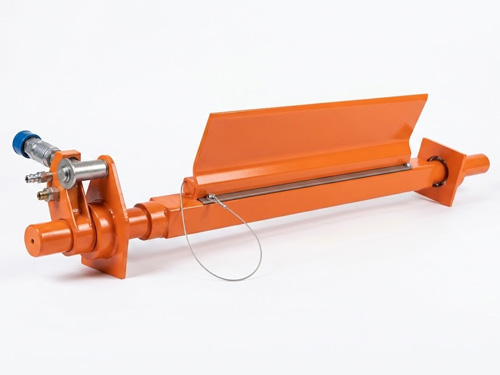
Heavy-Duty Primary Belt Cleaner Heavy-Duty Primary Belt Cleaners are robust conveyor belt c...
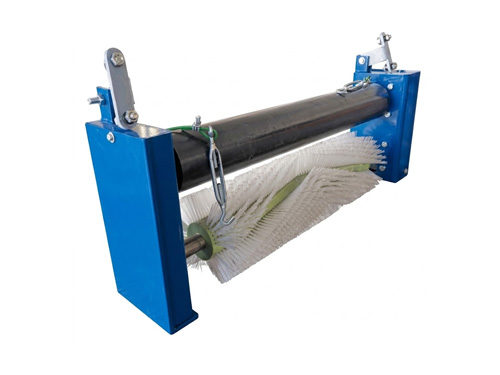
Self-Driven Rotary Brush Belt Cleaner Self-Driven Rotary Brush Belt Cleaners are specialize...
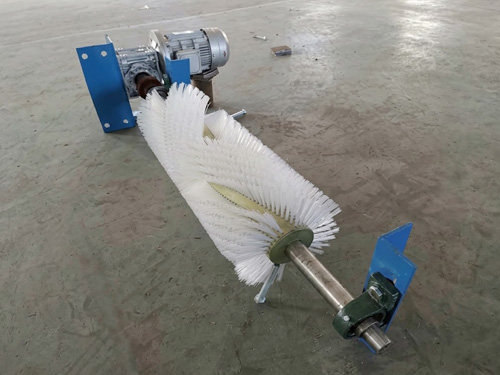
Brush Belt Cleaners in Various Models Brush Belt Cleaners are specialized conveyor belt cle...
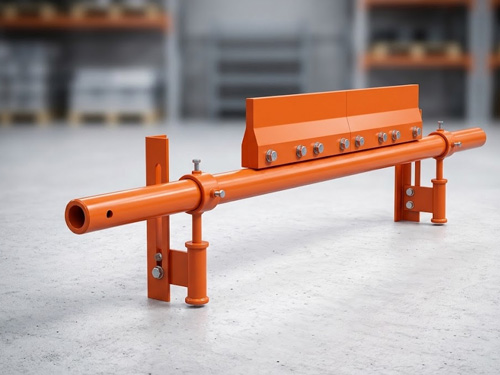
Secondary Conveyor Belt Cleaner Secondary Conveyor Belt Cleaners are designed to remove res...