Belt Conveyor Installation Process
2026-08-31 14:57:27
Belt Conveyor Installation Process
Proper installation is essential for ensuring the stable operation, long service life, and conveying efficiency of a complete belt conveyor system. Installation should be carried out according to approved engineering drawings, equipment specifications, site conditions, and applicable safety requirements. A systematic installation process can help prevent belt deviation, excessive vibration, premature component wear, and unexpected downtime.
Site Preparation and Foundation Inspection
Before installation, inspect the conveyor foundation, embedded parts, anchor bolts, support structures, and installation area. Verify that the foundation dimensions, elevation, centerline, and mounting positions comply with the approved design.
The installation site should provide sufficient space for lifting, assembly, commissioning, inspection, and future maintenance. All conveyor components should be checked for damage, deformation, missing parts, and dimensional consistency before assembly.
Installation of Conveyor Structure
Begin by installing the head frame, intermediate frames, tail frame, and supporting legs according to the conveyor centerline. The structures should be properly aligned and securely fastened.
Check the longitudinal centerline, horizontal level, frame spacing, and elevation throughout the conveyor route. Accurate structural alignment is important for maintaining proper belt tracking and reducing abnormal loading on idlers and pulleys.
Installation of Pulleys and Idlers
Install the drive pulley, tail pulley, bend pulleys, take-up pulley, and other required pulleys according to the drawings. Ensure that pulley shafts are properly aligned and bearings are securely mounted.
Next, install carrying idlers, return idlers, impact idlers, self-aligning idlers, and other specialized idlers according to their designated positions. Idler brackets should be firmly fixed, and rollers should rotate freely without abnormal resistance.
Installation of Drive and Tensioning Equipment
Install the motor, gearbox, coupling, drive unit, and associated components. Check the shaft alignment, coupling alignment, lubrication, fastening condition, and drive direction before commissioning.
Install the tensioning device and adjust it according to the specified belt tension. Correct tension is essential for preventing belt slipping and excessive sag.
Conveyor Belt Installation
Before installing the belt, confirm that the conveyor route is free from sharp edges and obstructions. The belt should be pulled into position using an appropriate installation method while avoiding unnecessary twisting or damage.
After joining the belt, inspect the splice carefully. Adjust the take-up device to establish the required initial tension and verify that the belt is properly centered.
Installation of Accessories and Safety Devices
Install skirt boards, loading chutes, discharge chutes, belt cleaners, guards, emergency stop devices, belt deviation switches, speed monitoring equipment, and other accessories according to the system design.
Ensure that moving components are adequately guarded and that emergency stop devices are accessible and functional.
No-Load and Load Commissioning
Before starting the conveyor, conduct a complete inspection of fasteners, bearings, lubrication, belt alignment, pulley rotation, electrical connections, and safety devices.
Perform a no-load trial run first. Observe belt tracking, idler rotation, drive operation, vibration, and abnormal noise. After confirming stable operation, conduct a loaded test and gradually increase the material flow while monitoring belt tracking, motor load, material distribution, and discharge performance.
Final Inspection and Maintenance
After commissioning, recheck critical fasteners, bearings, belt tension, and structural connections. Establish regular inspection procedures for idlers, pulleys, belt cleaners, drive components, belt condition, and safety equipment.
A carefully executed installation and commissioning process helps ensure safe, reliable, and efficient long-term operation of the complete belt conveyor system.
References
CEMA, Belt Conveyors for Bulk Materials.
ISO 5048, Continuous Mechanical Handling Equipment — Belt Conveyors with Carrying and Return Idlers.
ISO 14890, Conveyor Belts — Specification for Rubber- or Plastic-Covered Conveyor Belts of Textile Construction for General Use.
DIN 22101, Continuous Conveyors — Belt Conveyors for Loose Bulk Materials — Basis for Calculation and Dimensioning.
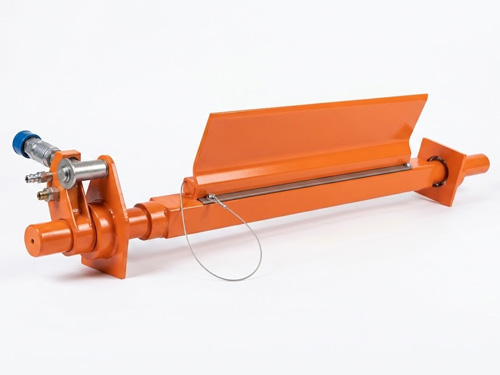
Heavy-Duty Primary Belt Cleaner Heavy-Duty Primary Belt Cleaners are robust conveyor belt c...
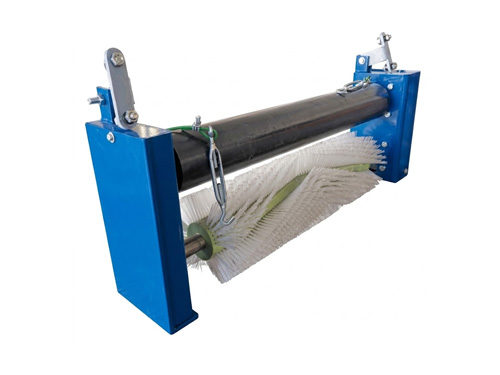
Self-Driven Rotary Brush Belt Cleaner Self-Driven Rotary Brush Belt Cleaners are specialize...
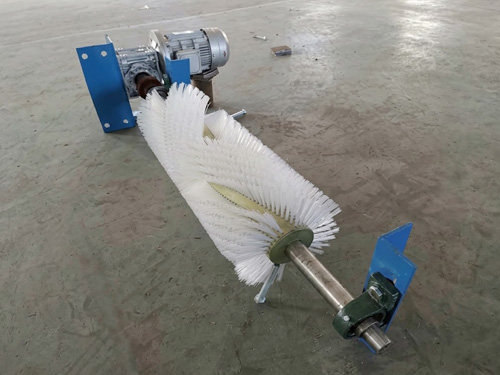
Brush Belt Cleaners in Various Models Brush Belt Cleaners are specialized conveyor belt cle...
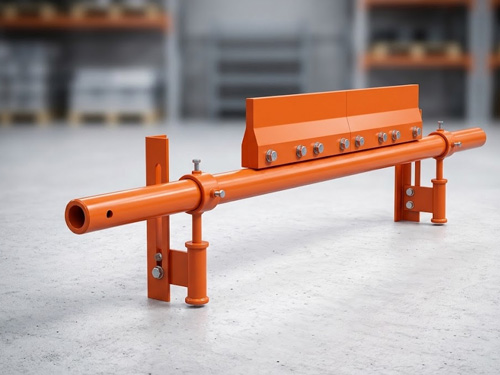
Secondary Conveyor Belt Cleaner Secondary Conveyor Belt Cleaners are designed to remove res...